Get Roof Flashing Installation
Local contractors offer roof flashing installation services to prevent leaks and water damage around chimneys, vents, skylights, and roof edges.
Property owners considering roof flashing installation often recognize its importance in protecting their structures from water intrusion and weather-related damage. Properly installed flashing helps ensure the durability of roofing systems, prevents leaks, and maintains the overall integrity of a property. Whether planning a new construction project or updating an existing roof, exploring local contractor options can provide valuable insights into the best materials and techniques suited for specific property needs.
Comparing local service providers allows property owners to find experienced contractors who understand the unique demands of the area’s climate and building codes. Taking the time to review different options can help in making informed decisions about the quality and reliability of roof flashing work. Continuing to explore the available choices can lead to connections with skilled professionals ready to assist with planning and executing this essential part of roof maintenance.
- Roof Flashing Installation - needed when new roofing is installed to ensure water stays out of the building.
- Leak Repair - required if water is penetrating around roof edges or vent areas due to damaged flashing.
- Roof Renovation - necessary during extensive roof upgrades to replace or upgrade existing flashing components.
- Chimney Flashing Replacement - needed when old or damaged flashing around chimneys causes leaks.
- Skylight Flashing Installation - required when installing or replacing skylights to prevent water intrusion.

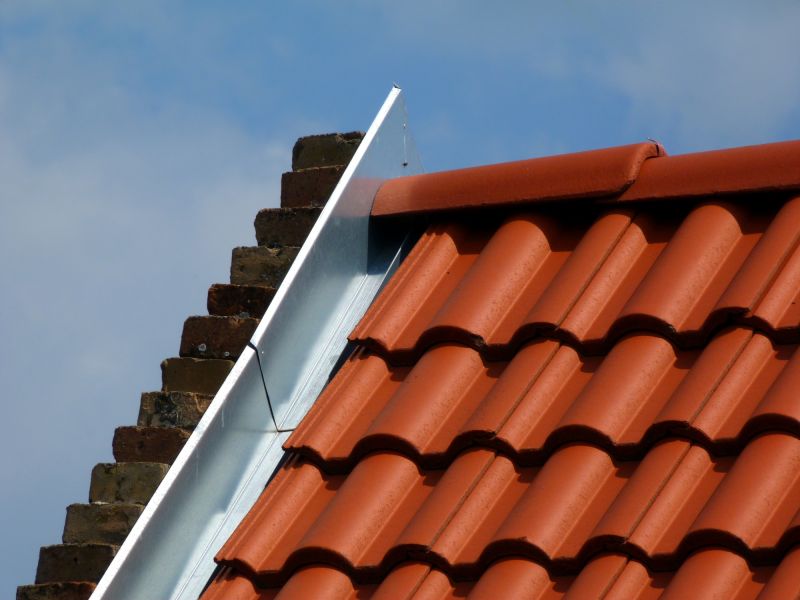
Roof flashing installation services involve placing durable metal strips around key areas of a roof to prevent water from seeping into the structure. These strips are typically installed around chimneys, vents, skylights, and along roof joints where different materials meet. Proper installation ensures that these vulnerable spots are sealed tightly, reducing the risk of leaks and water damage. Skilled contractors focus on precise placement and secure fastening to create a watertight barrier that protects the interior of the property from weather-related issues.
This service is essential for addressing common roofing problems such as leaks, water stains, and mold growth caused by inadequate or deteriorated flashing. Over time, flashing materials can corrode, shift, or become damaged due to weather exposure or age, leading to potential entry points for water. Installing new or replacement flashing helps resolve these issues by restoring the roof’s ability to shed water effectively. It also prevents further damage to underlying roof components, insulation, and interior ceilings, saving homeowners from costly repairs down the line.
Roof flashing installation is suitable for a variety of property types, including residential homes, multi-family buildings, and small commercial structures. Homes with older roofs or those that have experienced recent storm damage often benefit from flashing upgrades. Additionally, properties undergoing roof repairs or renovations frequently require flashing replacement to ensure the entire roofing system remains watertight. Whether a property is single-story or multi-story, professional contractors can tailor flashing solutions to meet the specific needs of each roof design and material.
Homeowners should consider flashing installation services when they notice signs of water intrusion, such as damp ceilings, peeling paint, or water stains around roof penetrations. It’s also advisable to have flashing checked and replaced proactively during major roof repairs or upgrades. Properly installed flashing not only enhances the roof’s durability but also provides peace of mind by reducing the likelihood of leaks and water-related damage. Connecting with experienced local contractors can ensure the job is done correctly, helping to protect the property’s structure and value over time.
The overview below groups typical Roof Flashing Installation projects into broad ranges so you can see how smaller, mid-sized, and larger jobs often compare in your area.
In many markets, a large share of routine jobs stays in the lower and middle ranges, while only a smaller percentage of projects moves into the highest bands when the work is more complex or site conditions are harder than average.
Smaller Repairs - simple flashing repairs or sealant applications typically cost between $250 and $600. Many routine jobs fall within this range, depending on the extent of the work needed.
Moderate Installations - replacing or installing flashing on a small to medium roof section can range from $600 to $1,500. Most projects in this category are straightforward and stay within this band.
Full Roof Flashing Replacement - a complete replacement of flashing across an entire roof can cost from $1,500 to $3,500, with larger or more complex roofs reaching higher prices.
Large or Complex Projects - extensive or custom flashing work for larger roofs or intricate designs can exceed $5,000, though such projects are less common and tend to be on the higher end of the spectrum.
Actual totals will depend on details like access to the work area, the scope of the project, and the materials selected, so use these as general starting points rather than exact figures.
Chimney Flashing Replacement - involves similar skills in sealing and waterproofing areas where roofing components meet vertical structures, requiring precision and attention to detail.
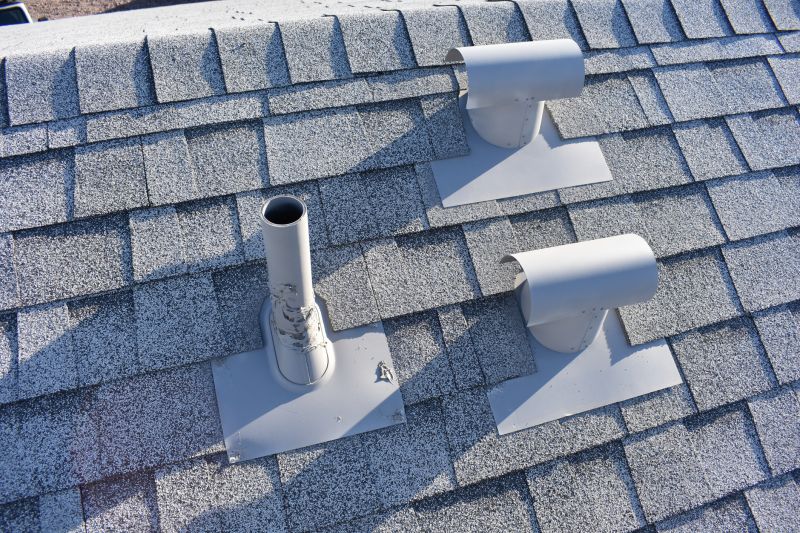
Roof Vent Installation - requires planning and installation of flashing around roof vents to prevent leaks, utilizing tools and techniques comparable to roof flashing work.
Skylight Flashing Installation - involves creating watertight seals around skylights, demanding similar planning, material use, and waterproofing skills as roof flashing projects.
Gutter and Downspout Installation - shares planning and precise installation techniques to ensure proper water diversion and prevent roof leaks.
Roof Repair and Leak Prevention - includes identifying potential leak points and applying waterproofing solutions, often involving flashing repairs or replacements.
Siding and Exterior Waterproofing - involves sealing exterior joints and edges to protect structures from water intrusion, utilizing skills akin to roof flashing installation.
When comparing service providers for roof flashing installation, it’s important to consider their experience with similar projects. Homeowners should look for local contractors who have a proven track record of successfully completing roof flashing work comparable to their needs. Asking about previous projects can help gauge a contractor’s familiarity with different roof types, materials, and installation techniques. An experienced professional is more likely to understand the nuances of proper flashing installation, which can contribute to the longevity and performance of the roof.
Clear and detailed written expectations are essential when evaluating local pros. A reputable contractor should provide a comprehensive scope of work, including specific tasks, materials to be used, and any relevant warranties or guarantees. Having these details in writing helps ensure that both parties are aligned on the project’s scope, reducing misunderstandings or surprises later on. Homeowners should seek service providers who communicate their process openly and are willing to answer questions about the work involved.
Reputable references and good communication are key factors in choosing the right local contractor. Pros with positive references can offer insights into their reliability, craftsmanship, and ability to meet client expectations. Additionally, effective communication-prompt responses, clarity in explanations, and transparency-can greatly influence the overall experience. While the site introduces homeowners to local options, it’s important to remember that it does not perform the work itself, but rather helps connect individuals with qualified service providers capable of handling roof flashing installation projects.
Property owners use Roof Flashing Installation services for practical projects around their homes and businesses. This guide focuses on everyday jobs and straightforward project options.

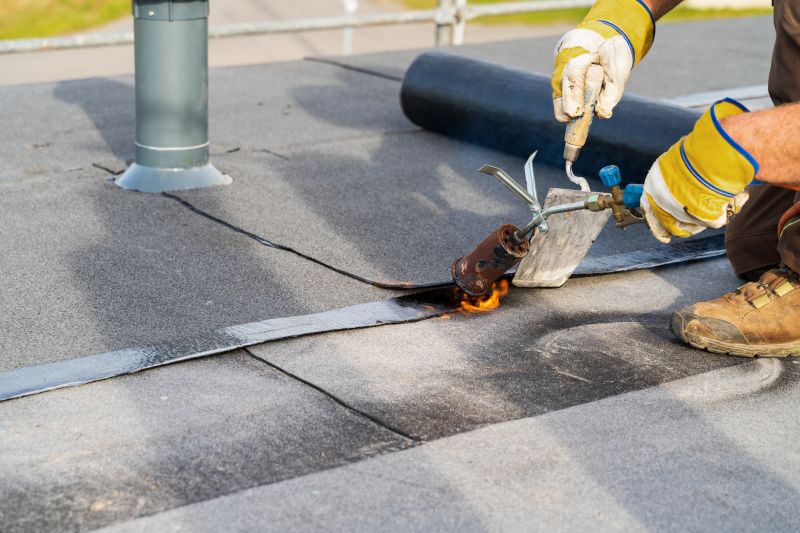
Roof flashing installation is a common project for property owners dealing with leaks or water intrusion around chimneys, vents, or roof joints. Over time, exposure to the elements can cause flashing to become damaged, rusted, or improperly installed, leading to potential water damage inside the building. Local contractors specializing in roof flashing can assess these issues and provide the necessary repairs or replacements to help protect the property from weather-related problems.
Homeowners and business owners may seek roof flashing services when constructing new buildings or performing renovations that involve roof penetrations. Proper flashing installation is essential to ensure a watertight seal around roof features, preventing leaks and structural damage. Service providers in the area can handle these tasks efficiently, offering solutions that help maintain the integrity and durability of the roof for years to come.
What is roof flashing installation? Roof flashing installation involves adding or replacing metal strips around roof features to prevent water intrusion and protect the structure.
Why is roof flashing important? Proper roof flashing helps direct water away from critical areas, reducing the risk of leaks and water damage to the building.
How do local contractors handle roof flashing installation? Experienced service providers assess the roof, select appropriate materials, and install flashing to ensure a weather-tight seal around roof joints and penetrations.
What types of roof flashing are commonly installed? Common types include step flashing, continuous flashing, and valley flashing, each suited for specific roof features and angles.
Can roof flashing be repaired instead of replaced? Yes, minor issues can often be repaired, but damaged or deteriorated flashing may require full replacement to maintain effective water protection.
Roof Flashing Installation - Protect vulnerable areas around chimneys and vents by installing durable flashing to prevent water leaks during heavy rain.
Roof Repair Preparation - Improve the longevity of existing roofing by adding or replacing flashing where shingles or materials have become damaged or worn.
Gutter and Roof Edge Protection - Enhance the effectiveness of gutters and roof edges by ensuring flashing is properly installed to direct water away from the structure.
Custom Flashing Solutions - Address unique architectural features or irregular roof shapes with tailored flashing that ensures a secure, weather-resistant seal.
If you are thinking about Roof Flashing Installation for a property, this guide is meant to help you understand the work, the typical project types, and how different options might fit your plans.
When you are ready, you can use the quote form on this page to share a few details about your project. From there, local pros can review the basics and respond with options that match what you have in mind.